Clavicular
Duel handed a guest dealer slot to a streamer with a following built on being divisive, on its highest-limit table. Chat accused him of cheating within about a minute of him touching the cards.
The clips
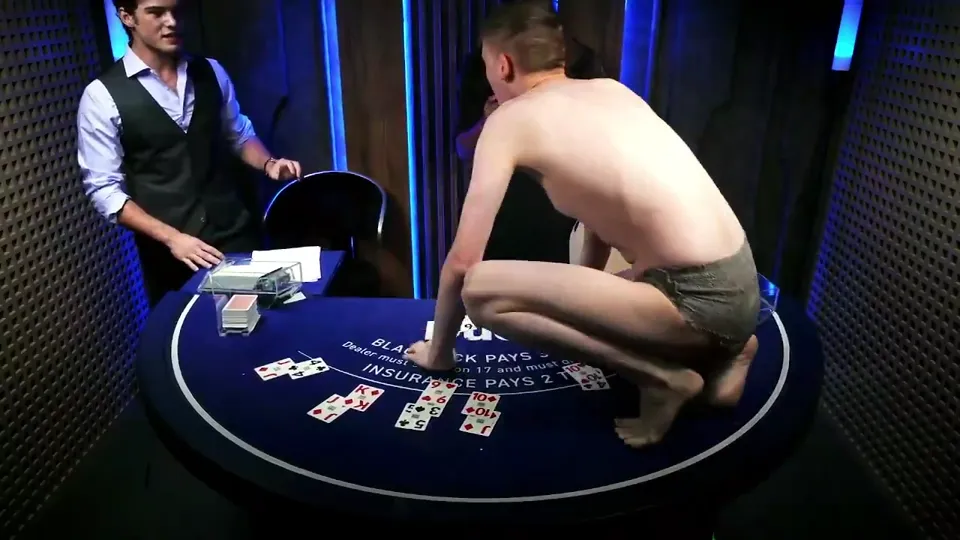 0:42
0:42The dealer slot
The longest capture from the session behind the shoe.
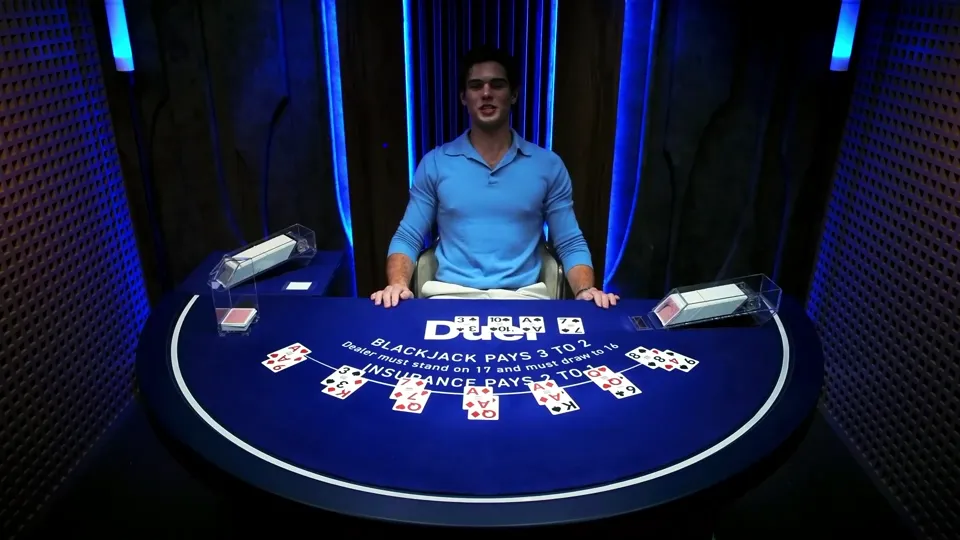 0:18
0:18Running the cards
Handling the shoe on the high-limit table.
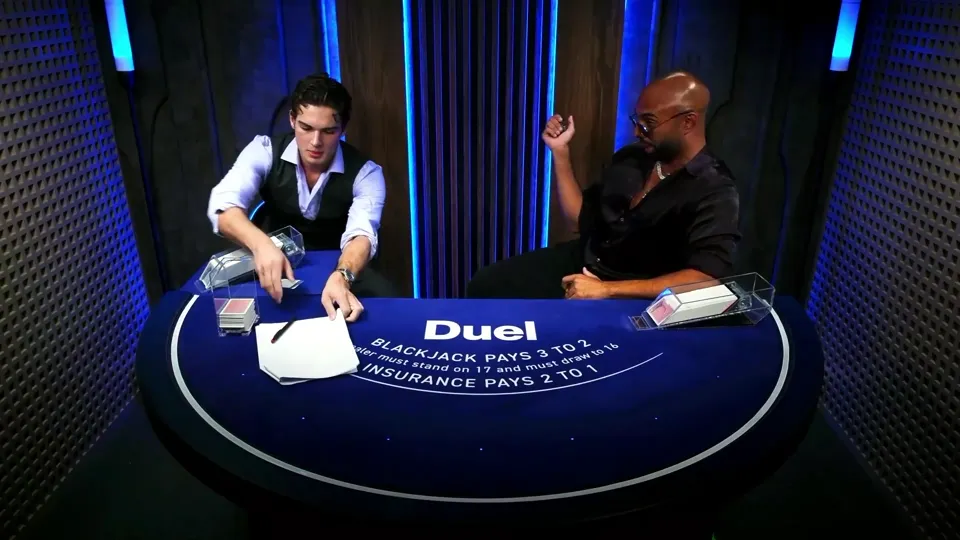 0:15
0:15At the table
A shorter capture from the same session.
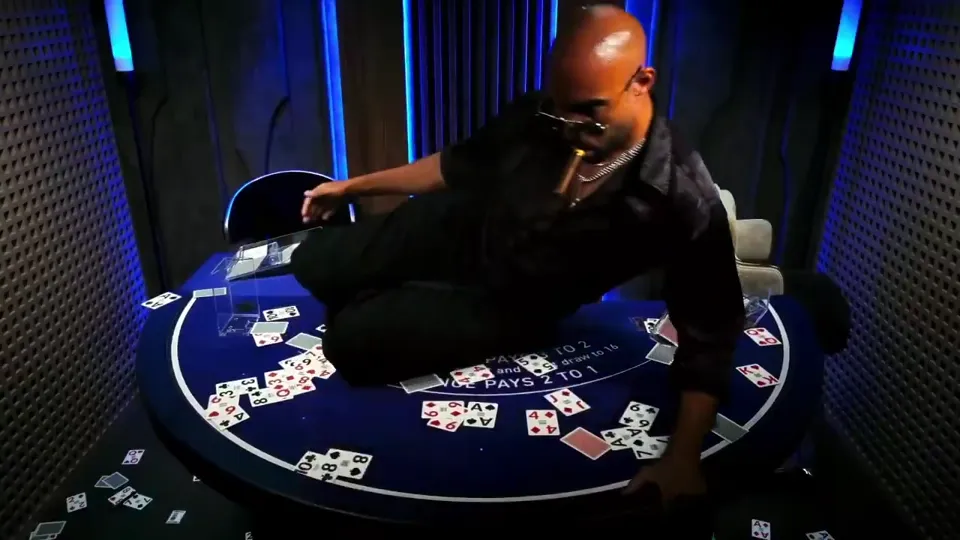 0:13
0:13Joined by the founder
Monarch appears at the table during the slot.
The session
The booking put him behind the shoe on the $100,000 table rather than in a player's seat — a different proposition from a guest who sits down and plays. A guest dealer handles the cards for real money on a table with the highest limits Duel runs, while thousands of people watch and a live chat runs alongside the feed.
The accusations started almost immediately. That is worth examining rather than repeating, because the interesting part is not whether they were true.

Why cheating accusations are structurally inevitable here
Put an unfamiliar face behind a shoe on a high-limit table and the chat will find something within a minute. The reason is not paranoia — it is that a live dealer stream gives an audience just enough information to form suspicions and nowhere near enough to resolve them.
Viewers see the cards, the outcome, and someone's hands. They do not see the shuffle procedure, the shoe's contents, or the RNG-equivalent controls. In that gap, a run of bad outcomes reads as evidence, and a run of bad outcomes is guaranteed to happen because that is what variance does.
The unresolvable version of this is the ordinary state of live casino streaming everywhere: the audience cannot verify, so the accusation cannot be settled either way. Which is precisely the problem provably fair games solve — and why the distinction between a live table and an in-house original matters more than it looks.
What can and cannot be checked
Duel's own Originals — Dice, Limbo, Mines and the rest — commit to their outcome before each round and publish the seeds afterwards, so any round can be verified by anyone with a hash function and thirty seconds. An accusation about one of those games is answerable.
A live table with a physical shoe is different. It is watched rather than verified, and the guarantee it offers is procedural rather than cryptographic. That is not unique to Duel — it is true of every live casino product in the industry — but it is the reason a chat argument about a live dealer never actually ends.
The same gap explains why slots cannot be verified either, and why the in-house games are the part of the lobby where the maths can be checked rather than trusted.
Why book someone controversial
Because a stream where nothing goes wrong produces no clips. Duel books guests who generate reaction, and a guest dealer who draws accusations within a minute is doing precisely what the booking was for — the argument in chat is the content.
Read alongside the rest of the run — Tyson in June, Malkova in July, costumed characters wandering behind the dealer mid-round — this session is not an outlier. It is the same strategy applied to a different kind of guest.
The table underneath
Whoever is dealing, the game is Duel's own blackjack: no house edge under correct basic strategy, revenue from players deviating from it. The $100,000 limit that made this session notable is also the reason the mistakes on it cost real money — what each one gives away is worth reading before sitting at a table that size.
The verifiable half of the lobby
Live tables are watched. Originals are checked. Only one of those settles an argument.
Play at Duel